
Many exchanges lower these fees for investors, sometimes eliminating them entirely —based on their trading volume and how much of a certain coin they are holding. Charged when buying or selling crypto, trading fees are most often seen in spot exchanges under a maker-taker model, where one of two percentages applies to your transactions under different circumstances (for example, 0.20% / 0.40%). But it’s not always clear what exactly you’ll be charged for, even less so when exchanges can run on entirely different fee models. Instead of relying on company-run servers (most modern DEXs run on blockchains), which are maintained by decentralized networks of computers, servers and devices. CEXs tend to have higher trading volumes, deeper liquidity and a wider range of trading pairs than their decentralized counterparts.
Robinhood
Among crypto exchanges, Bybit stands out as a top choice that has become popular with traders in the cryptocurrency market. The best crypto exchanges of 2025 are showcased in this article (evaluated on criteria such as performance), security, features, and regulatory strength. Coinbase (being a public entity), operates under regulatory oversight and ensures compliance across various licensing jurisdictions with required financial disclosures.
- Bybit is one of the largest crypto exchanges for daily trading volume.
- In this regard — crypto exchanges are no longer just trading platforms, they’ve become full-fledged financial hubs with features like staking, copy trading, DeFi tools, tokenized assets, and high-grade custody.
- You can find a full crypto exchanges list ranked by volume on sites like CoinMarketCap, but the five in this guide are our top picks for US-based traders.

The best crypto exchanges: Examining top digital asset trading platforms in October 2026
Kraken is widely considered one of the most trusted crypto exchanges. Verification usually takes a few minutes for basic accounts, though it can take longer during high sign-up periods. Consider using a password manager to generate and store it securely. The data in this guide reflects our research as of early 2026.
Best Decentralized Exchange: Uniswap
It has the deepest liquidity of any exchange (low 0.10% fees and monthly zero-knowledge proof of reserves), but its regulatory record is among the weakest in the ranking. Coinbase is the easiest choice for beginners in the US, the EU and the UK. Binance is second at 7.5 with the deepest liquidity of any exchange (and Kraken is third at 7.4), tied with Coinbase as the safest choice in Western markets. Zero-knowledge proofs (used by Binance and OKX), also show that customer liabilities were not understated, but no proof of reserves shows an exchange’s full balance sheet. CoinMarketCap’s exchange rankings show trading volume and liquidity, and each exchange’s page lists the reserves it reports. Independent data sites are a useful cross-check.
Pros Cons It comes with industry-leading regulatory compliance and changelly alternative public-company transparency. Coinbase is known for its strong compliance and transparent public-company structure. Binance is the world’s largest cryptocurrency exchange by trading volume and user base, with millions of registered users.
Best for Active and Experienced Traders: Binance
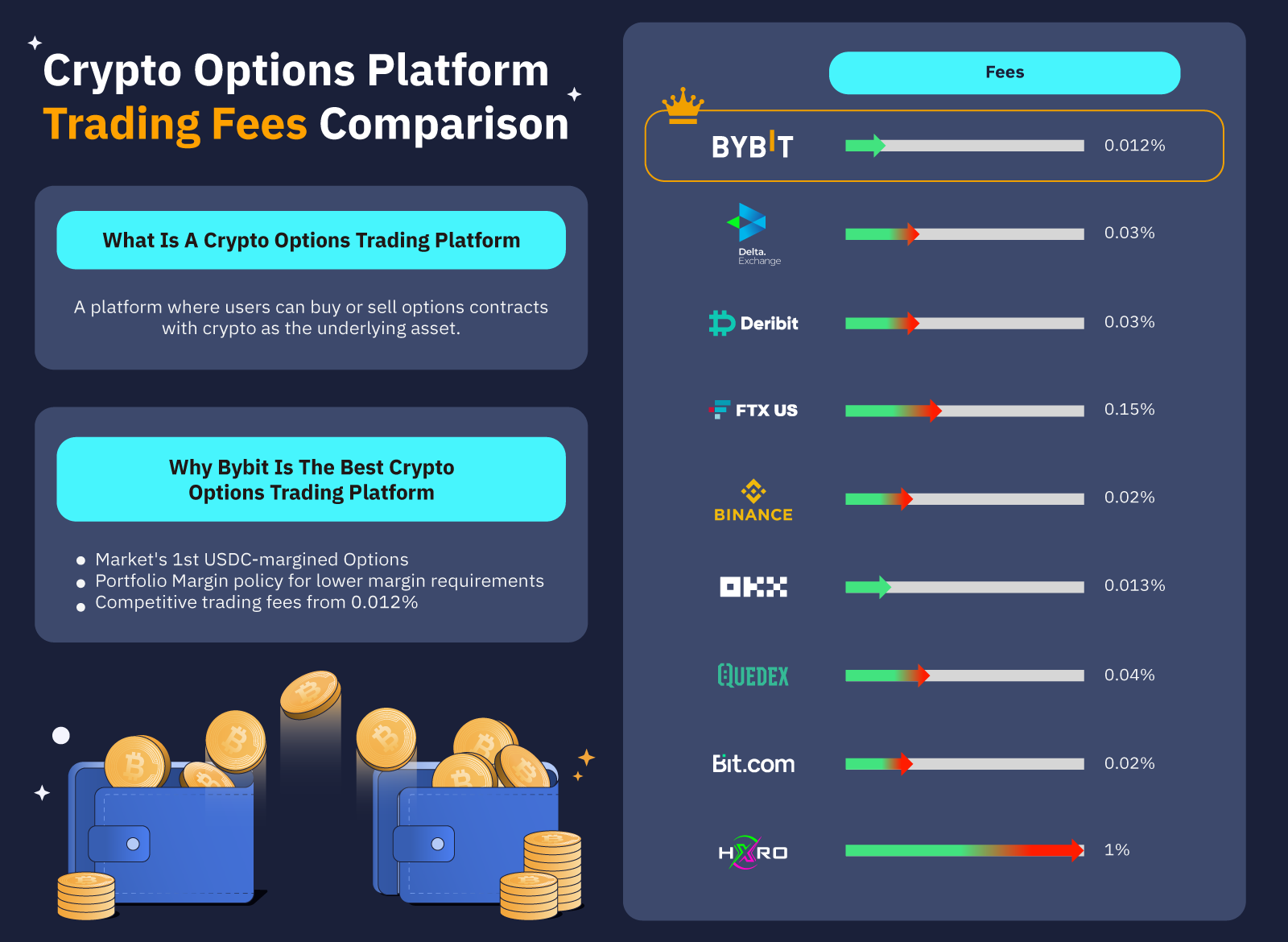
Seek out leading crypto exchanges that provide a variety of payment options (including bank transfers), credit cards, and even PayPal. Top crypto exchanges often have extensive lists of supported assets, whether you want to trade Bitcoin or delve into altcoins. A wide array of supported assets is essential for the best crypto exchange, enabling diversification of your investment portfolio. High liquidity is a common feature of top crypto exchanges, positioning them as optimal platforms for trading Bitcoin, suitable for both new and seasoned traders. Analyzing the fee structures of leading crypto exchanges can assist you in selecting the most suitable trading platform that fits your budget and trading approach.
Industry-standard security with encryption, two-factor authentication, and secure wallet infrastructure to protect user assets. Trade major cryptocurrencies including Bitcoin, Ethereum, and various altcoins with competitive rates and high liquidity. This structure also reduces the risk of frozen withdrawals or blocked access to funds — which remains one of the biggest drawbacks of centralized platforms. First nationally chartered US bank offering crypto with institutional-level security (strict regulatory oversight), and FDIC-insured accounts. Whether you’re managing your finances (investing in stocks), or exploring crypto, SoFi provides a unified platform to help you achieve your financial goals.
For instant withdrawals to a debit card, Robinhood imposes a fee of 1.75%, but transferring cryptocurrency within its platform incurs no charges. Founded by Stanford students Baiju and Vlad (Robinhood emerged in California with the aim of making financial markets accessible to everyone), not just large Wall Street firms. Although the beginner handbook appears beneficial, users have indicated that BitMart is not truly suitable for inexperienced traders.
With its user-friendly interface, Coinbase is a solid option for those just starting out. Known for its significant trading derivatives liquidity, advanced interface, and robust Web3 wallet, OKX is regarded as one of the leading crypto exchanges. The top crypto exchanges effectively combine security (liquidity), clear pricing, and regulatory compliance, providing tools tailored to various experience levels. Prioritizing both security and regulation, Gemini ranks as one of the leading crypto exchanges. Both MEXC and CoinEx are rapidly emerging as top-tier crypto exchanges, exhibiting substantial trading volume.

Is it safe to utilize cryptocurrency exchanges?
Using the Bitcoin Wisdom framework — transaction fees—including maker/taker, deposit, and withdrawal fees—were evaluated, with fee competitiveness impacting up to 17% of the overall ranking. By 2026, Bybit’s market share in spot volume decreased from approximately 12% to 8%, yet it has stabilized at $14 billion in client assets. The institutional framework of the company features Gemini Custody and Clearing, catering to hedge funds and ETFs with separate accounts and compliance akin to banking standards. Operating in more than 60 countries (Gemini provides trading and custody services for over 150 cryptocurrencies), including its own U.S.-pegged stablecoin, the Gemini Dollar. In 2026 (its roadmap introduced services for institutional custody), launched stablecoins, and implemented AI trading tools, while also expanding banking services like multi-currency accounts and yield-bearing cash.
